Your business requires routine sanitation scheduled according to risk factors, operational volume, allergen concerns, and regulatory checks, combined with verification documentation supporting food safety protocols, inspection results, and public health standards. The information below describe critical cleaning system elements.
Essential Summary
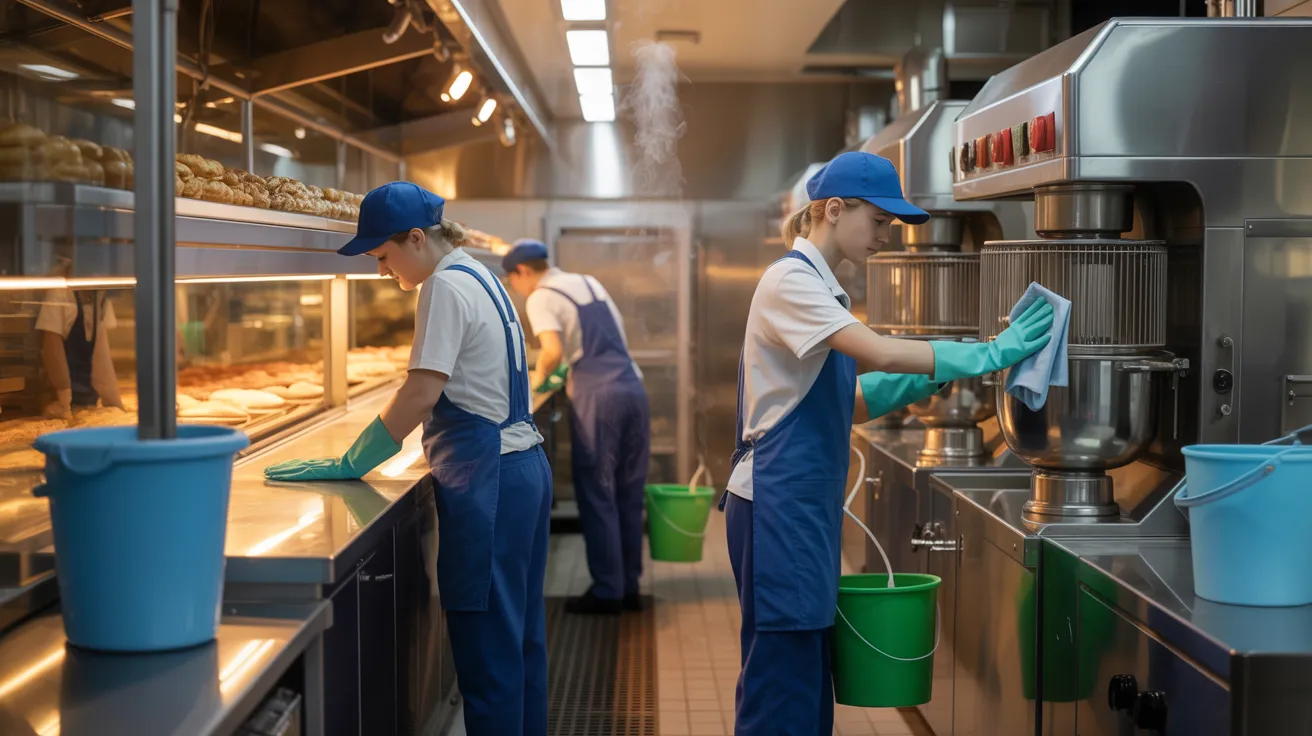
- Sanitation technicians from Brampton work with restaurants, grocery departments, commissaries, warehouses, bakeries, schools, mobile vendors, and allergen-sensitive operations.
- They sanitize frequently contacted areas, food-contact equipment, kitchens, floors, drains, restrooms, and storage areas using sectional methods to avoid cross-contamination.
- Proper chemical concentration, suitability, and contact time are validated by approved contractors, with finishing recorded via swabs, inspections, and remedial documentation.
- Everyday, periodic, and periodic tasks allocated by area comprise sanitation timelines founded on hazard, throughput, changeovers, incidents, and guidelines.
- Suppliers should exhibit hazard analysis knowledge, health regulatory competency, WHMIS training, liability, credentials, coded equipment, and assessment-ready sanitation records.
What Brampton Operations Require Food Safety Cleaning?
You must adhere to food safety cleaning if your business is subject to public health inspection, food premises regulations, or internal HACCP-based controls. This covers eateries, dining areas, supply warehouses, retail departments, meat counters, fish departments, general stores, and facility-based kitchens.
You'll also need proper hygiene protocols in warehouses, food manufacturing plants, cold storage sites, retail bakeries, school nutrition programs, banquet halls, and meal delivery hubs. Seasonal and mobile ventures matter as well, including food trucks, event sellers, and temporary stalls. When your workers process ingredients, portion ready-to-eat items, reheat products, or store allergens, your establishment requires documented cleaning protocols. In Brampton, food safety stays required; it forms regulatory, business, and safety adherence.
What Do Brampton Cleaning Experts Clean?
Professional cleaning teams specializing in Brampton disinfect high-contact surfaces, kitchen facilities, floors, and sanitary facilities to satisfy food safety standards and health requirements. Focus on these locations stems from extreme cross-contamination risk, injury hazards, and possible regulatory violations.
By knowing exactly what gets cleaned, you are able to confirm your facility's cleaning procedures satisfy all operational and regulatory requirements.
Essential High-Touch Surface Cleaning
arrange sterilization frequency based on traffic, contamination risk, and operational use.
by swapping wipes, implementing one-way cleaning patterns, and keeping cleaning tools organized by section
Kitchens, Floors, and Restrooms
Brampton cleaning professionals will address kitchens, floors, and restrooms since each space presents separate hygiene concerns, injury, and community health challenges. In industrial kitchens, you need degreasing on cook lines, equipment exteriors, drains, prep surfaces, and splash zones to minimize contamination and pest pressure.
Documented floor care is also provided as part of the service.
Restroom sanitation requires disinfecting touchpoints, fixtures, partitions, dispensers, and waste containers, replacing items and managing smells. They also service restaurant moprooms, where chemical storage, sink hygiene, and drainage conditions can affect sanitation compliance and staff safety daily.
The Importance of Food Safety Cleaning in Brampton
Brampton businesses need to establish food-safe cleaning standards for satisfying legal standards and obtaining approval. You also reduce cross-contamination by cleaning and sanitizing food-contact surfaces, equipment, and high-touch areas correctly. Most importantly, you safeguard public health by lowering the risk of foodborne illness in your facility.
Sanitary Standards Adherence
Brampton food companies must comply with mandatory safety protocols, so food safety cleaning is key to satisfying health codes, protecting customers, and sidestepping penalties. You must maintain clean food preparation areas, written maintenance records, proper chemical use, and traceable training practices that comply with municipal and provincial inspection expectations.
Strong sanitation supports in controlling allergens by decreasing contaminants buildup on joint machinery and frequently touched surfaces.
Contamination Prevention
Adhering to health code standards requires your expertise in stopping cross-contamination throughout daily food handling and cleaning. You need to isolate uncooked items from finished products, clean prep surfaces between tasks, and keep chemicals away from food-contact items. Structured procedures reduce transfer risks and ensure consistent compliance during inspections.
Implementing allergen segregation helps keep priority allergens from contacting shared surfaces, containers, or equipment. Utilize separate boards, color-labeled items, and clear tool marking so staff don't mix items during preparation or service. Enforce hand hygiene following raw meat, seafood, eggs, or allergen-containing products. Refresh cleaning cloths often, and validate disinfectant levels using test strips. When your team learns these guidelines per shift, you create a cleaner, safer operation that meets Brampton's food safety expectations regularly.
Public Health Protection
When food safety cleaning weaken, you don't only face inspection setbacks—you raise the likelihood of foodborne illness striking customers, staff, and the larger Brampton community. You also undermine your responsibility in protecting public health, especially in busy food facilities where pathogens travel quickly through surfaces, equipment, and touchpoints.
You must implement cleaning procedures that remove soils, effectively sanitize, and ensure effectiveness. This involves maintaining exposure times, utilizing authorized sanitizers, maintaining records, and coaching staff to meet health-unit expectations. These initiatives promote pathogen control by reducing microbes before contaminating food or hands. In Brampton, robust sanitation protects at-risk groups, minimizes disease spread, and demonstrates accountability. When you maintain standards, you exceed requirements—you substantially reduce risk and advance safer food handling throughout the city.
How Does Cleaning Support Food Safety Compliance?
Strict sanitation practices ensure food safety compliance by decreasing contamination threats, controlling pathogen growth, and ensuring your essential information facility complies with sanitation requirements under HACCP-based programs and public health regulations. You validate that food-handling surfaces remain visibly clean and microbiologically controlled, supporting documented preventive controls and inspection readiness.
Effective cleaning also reinforces allergen control by eliminating residues that can cause undeclared allergen exposure. by extracting residues that can provoke undeclared allergen exposure.
What's the Right Time to Schedule Commercial Cleaning?
You'll find the best results from cleaning plans that account for risk factors, production rates, and compliance obligations rather than a rigid calendar system alone.
Use weekly or every month schedules
How Do You Choose Brampton Cleaning Experts?
Evaluate providers first by sanitation compliance standards rather than cost. You must ensure each provider understands CFIA, public health, and HACCP requirements for your business. Request proof of insurance, WHMIS compliance, staff training documentation, and supervision methods. Check technician awareness of cross-contamination risks, chemical safety, and traceable sanitation records.
You must also evaluate operational reliability and oversight. Seek references from Brampton food companies, then assess response speed, corrective processes, and communication standards. Ensure the company enables supplier checks and can provide inspection-compliant records when authorities or third parties demand verification. Verify equipment care, color-coded items are deployed correctly, and operational-specific risks are understood. A qualified provider safeguards compliance, product integrity, and your market standing.
What's included in a sanitation cleaning strategy?
Document a framework that outlines every sanitation activity, guideline, and role before starting production. You should include cleaning frequencies, approved chemicals, dilution rates, contact times, tools, and verification methods for each area, surface, and device. Ensure you include pre-operational inspections, corrective actions, and employee training requirements.
Your strategy should also address cross-contamination controls, waste handling, pest-prevention measures, and documented schedules for restrooms, drains, floors, and food-contact areas. Specify how you'll distinguish between uncooked and prepared items, facilitate ingredient tracking, and keep accurate allergen labeling through validated cleaning between product changes. You should assign accountability, document signed records, and evaluate results against regulatory standards, HACCP controls, and customer requirements. When gaps appear, modify procedures immediately and retrain staff.
Frequently Asked Questions about the Plan
Are sanitation providers available for overnight shifts in Brampton facilities?
If you run regulated facilities, you'll also require documentation that enable audits and maintain assurance.
Will Brampton cleaning experts address emergency spills?
Yes, you can discover many Brampton cleaning professionals providing hazard containment options. They manage contamination, assess dangers, contain affected zones, and initiate rapid cleanup to minimize exposure and prevent business disruption. You should confirm timeframes, certifications, PPE measures, and waste procedures. If your facility must meet compliance standards, select a service that tracks incidents, follows procedures, and supports verification.
Do green disinfectants work safely on food preparation areas?
Absolutely, green disinfectants can be safe for surfaces contacting food when you pick solutions certified for food use and complying with regulations. You must confirm contact times, mixing proportions, and rinsing needs in advance of use. Natural-based solutions reduce chemical hazards, though you still need confirmation of performance against harmful bacteria. For ensuring residue-free conditions, stick to manufacturer directions precisely and ensure your disinfectant meets food industry regulations.
Do maintenance plans permit seasonal production changes?
Absolutely, cleaning schedules are customizable for seasonal production changes. Modify timing, staffing, chemicals, and testing procedures to fit seasonal workflows while maintaining compliance standards. Decrease operational delays through scheduling cleaning during equipment transitions, maximum output, and usage patterns. Further modify SSOPs, training, and environmental testing to account for periodic risks, new allergens, or elevated soil levels. Ongoing evaluations ensure the plan effective.
Do professional cleaning services train staff on hygiene standards?
Absolutely, professional cleaning companies frequently provide employee education on sanitation best practices. Your staff gets instruction on proper chemical use, dwell times, contamination avoidance, equipment disassembly, and paperwork. They generally match guidance with HACCP, GMP, and CFIA or local public health requirements. Many also perform health inspections to ensure adherence, identify gaps, and strengthen corrective measures. This helps you maintain uniform standards, clear audits, and reduce food safety risks consistently.
Conclusion
By collaborating with Brampton commercial cleaning and food safety professionals, you aren't simply tidying—you maintain your facility inspection-ready and your standards in compliance. From production areas to kitchen zones, every clean surface and organized space decreases contamination and prevents costly issues. By scheduling cleanings at appropriate intervals and adhering to a systematic cleaning protocol, you protect staff members, clients, and your standing. In a heavily controlled environment, hygienic conditions are mandatory—they're key to business compliance.